
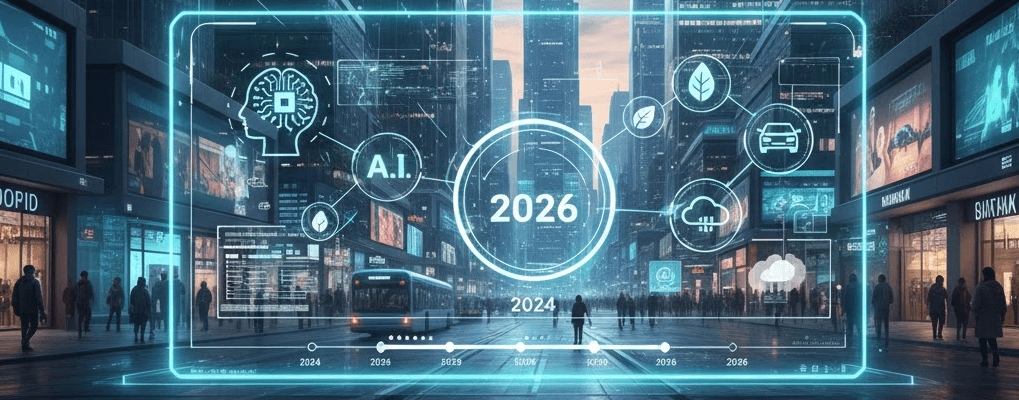
Smart home technology has moved well beyond novelty. In the UK, homeowners are no longer asking whether smart technology is worth having, but which technologies are actually worth investing in. As we move into 2026, the focus is shifting away from gimmicks and towards systems that deliver real, long-term value.
Rising energy costs, changing lifestyles, and increasing expectations around comfort and efficiency are reshaping how people think about their homes. At the same time, the market is flooded with smart gadgets that promise convenience but often add complexity. Knowing what to prioritise has never been more important.
This guide explores the top smart technologies to prioritise in 2026, with a clear focus on practicality, longevity and everyday usefulness. It explains where Smart Technology in UK homes is heading, what delivers the biggest return on investment, and what homeowners can safely ignore.
Overview: Why Smart Technology Priorities Are Changing
For many years, smart home technology was driven by novelty. Voice assistants, app-controlled gadgets and connected devices promised a futuristic lifestyle, but often failed to integrate smoothly into everyday living. In 2026, the conversation is different.
Homeowners are now prioritising technologies that solve real problems. Energy efficiency, comfort, security and long-term reliability have taken centre stage. Instead of asking what is new, people are asking what will still make sense in five or ten years.
Several trends are driving this shift: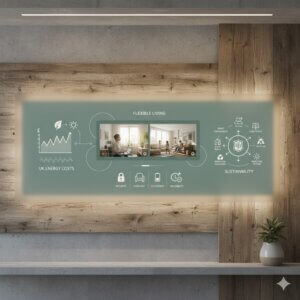
- Energy costs in the UK remain unpredictable
- Home working and flexible living are now normal
- Sustainability expectations are increasing
- Buyers expect modern, efficient homes
- App overload and device fatigue are common
As a result, smart technology is becoming quieter, more integrated and more focused on outcomes rather than features.
The 5 W’s of Smart Technology in 2026
Who Is Smart Home Technology For in 2026?
Smart technology is no longer aimed at early adopters or tech enthusiasts alone. In 2026, it is increasingly relevant to:
- UK homeowners planning upgrades or renovations
- Families looking to reduce running costs
- Professionals working from home
- Homeowners thinking about long-term value
- Buyers and sellers in competitive property markets
The emphasis is on solutions that work for everyone in the household, not just the most tech-savvy person.
What Counts as Smart Technology Today?
Smart technology in 2026 is less about individual gadgets and more about connected systems. It includes technologies that automatically manage energy, comfort, lighting, security and safety based on how the home is used.
Key characteristics of modern smart technology include:
- Automation rather than constant manual control
- Integration between systems
- Minimal reliance on multiple apps
- Reliability over novelty
This shift is redefining what homeowners should prioritise.
Where Is Smart Technology Being Used?
In the UK, smart technology is now common across:
- New-build homes
- Renovated and extended properties
- Flats and apartments
- Family homes and townhouses
Importantly, many technologies can be retrofitted, meaning smart upgrades are no longer limited to new developments.
Why Is Smart Technology a Priority in 2026?
Several factors make 2026 a tipping point:
- Energy efficiency is no longer optional
- Comfort expectations are higher than ever
- Technology has matured and stabilised
- Poorly integrated gadgets are losing appeal
Homeowners want technology that reduces effort rather than adds to it.
When Should Homeowners Invest?
The best time to invest in smart technology is:
- During renovations or extensions
- When upgrading heating or electrical systems
- As part of long-term home planning
Early planning ensures better integration and avoids costly retrofits later.
Is Smart Technology Always Worth It? The Pros and Cons
The Case for Smart Technology
When chosen carefully, smart technology delivers clear benefits: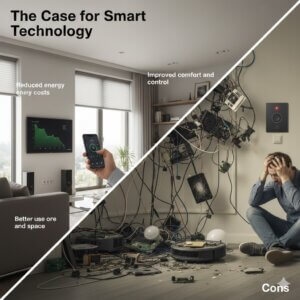
- Reduced energy costs through automation
- Improved comfort and control
- Better use of space and resources
- Increased property appeal
- Greater awareness of energy usage
In many cases, the right technology pays for itself over time.
The Case Against Over-Smart Homes
However, not all smart technology is worth the investment. Common drawbacks include:
- Rapid obsolescence of gadgets
- Over-complicated systems
- Dependence on cloud services and subscriptions
- App overload and poor user experience
These issues highlight the importance of prioritisation rather than buying everything labelled “smart”.
A Balanced Approach for 2026
The most successful smart homes in 2026 will not be the most complex. They will be the most thoughtful. Prioritising systems that quietly improve daily life delivers far more value than chasing trends.
Smart Energy and Efficiency Technologies to Prioritise
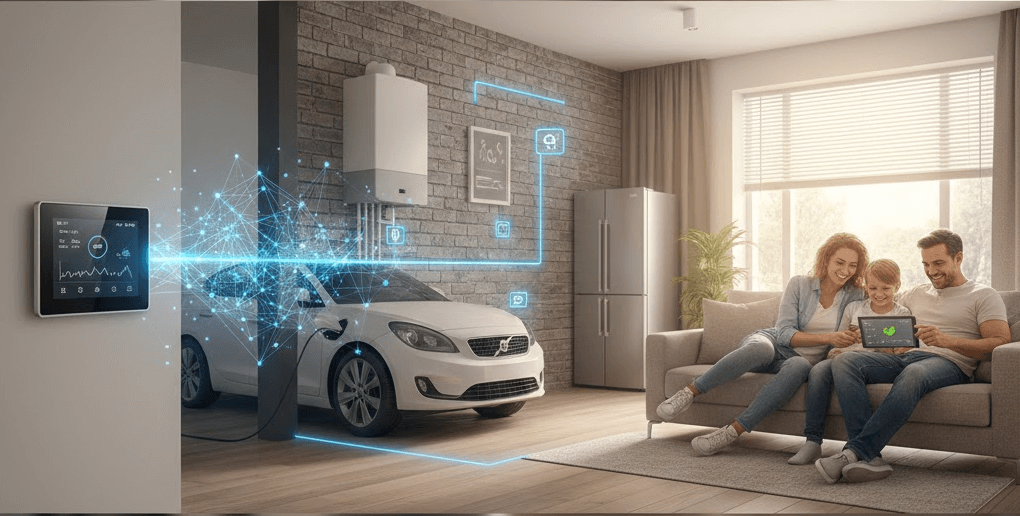
Why Energy Is the Top Priority
Energy is the single biggest driver of smart technology adoption in the UK. With heating and electricity costs remaining high, homeowners are actively seeking ways to reduce waste without sacrificing comfort.
Smart energy technology focuses on control, optimisation and visibility rather than behaviour change alone.
Smart Heating and Climate Control
Smart heating remains one of the most valuable investments in 2026. However, priorities are shifting from basic smart thermostats to more intelligent, system-wide control.
Key features to prioritise include: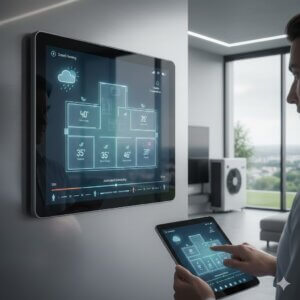
- Zoned heating
- Weather compensation
- Integration with low-carbon heating
- Automated scheduling based on occupancy
Rather than constantly adjusting settings, homeowners benefit from systems that adapt automatically.
Energy Monitoring and Insight
Energy monitoring technology has matured significantly. In 2026, it is less about raw data and more about actionable insight.
Modern systems provide: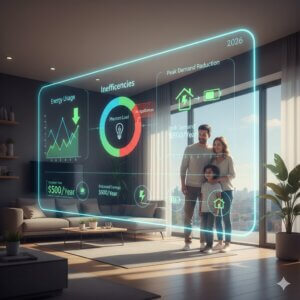
- Clear visibility of energy usage
- Identification of inefficiencies
- Support for reducing peak demand
- Integration with solar or battery systems
For homeowners serious about reducing costs, this visibility is invaluable.
Smart Technology in UK Homes and Net Zero
As the UK moves towards net-zero targets, smart energy technology will play a central role. Homes that can intelligently manage heating, lighting and energy use will be better prepared for future regulations and incentives.
Smart Security and Safety Systems
Why Security Still Matters
Security remains a top concern for homeowners, but priorities are changing. In 2026, smart security is less about flashy features and more about reliability, integration and peace of mind.
Smart Home Security Systems in the UK
Modern smart security systems offer: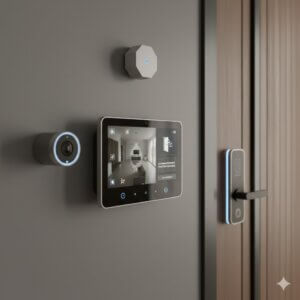
- Integrated cameras and alarms
- Remote monitoring and alerts
- Smart locks and access control
- Automation linked to occupancy
The key advantage is not constant monitoring, but knowing the home responds intelligently when something changes.
Avoiding Subscription Fatigue
One issue homeowners face is subscription overload. In 2026, prioritising systems with local control and minimal ongoing costs is increasingly important.
Smart technology should reduce stress, not create new monthly expenses.
Safety Beyond Security
Smart safety technology also includes: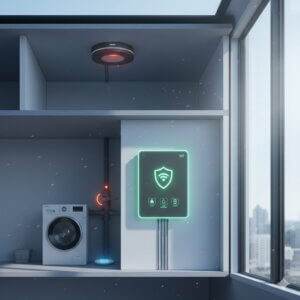
- Smoke and heat detection
- Leak detection
- Automated alerts and shut-offs
These systems protect the home quietly in the background and can prevent costly damage.
Integrated Smart Home Control Systems
Why Integration Matters More Than Ever
One of the biggest lessons from the past decade of smart homes is that individual devices do not scale well. Homes filled with separate apps and ecosystems quickly become frustrating.
In 2026, integration is one of the most important priorities.
Integrated Systems vs Individual Devices
Integrated smart home systems provide: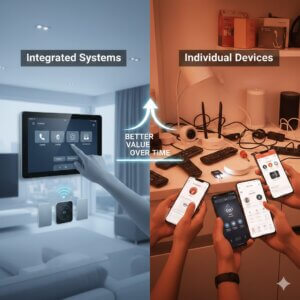
- Centralised control
- Consistent user experience
- Reduced app overload
- Greater long-term reliability
While they may cost more upfront, they often deliver better value over time.
Simplicity as a Design Principle
The best integrated systems focus on simplicity. Automation replaces manual control, and everyday functions are easy to access without technical knowledge.
This is especially important in households with multiple users.
Professional Planning and Installation
Integrated systems benefit from professional design. Planning ensures systems work together seamlessly and are tailored to how the home is actually used.
For homeowners prioritising longevity, this approach makes sense.
Smart Lighting and Shading Technologies
Lighting as a Foundation
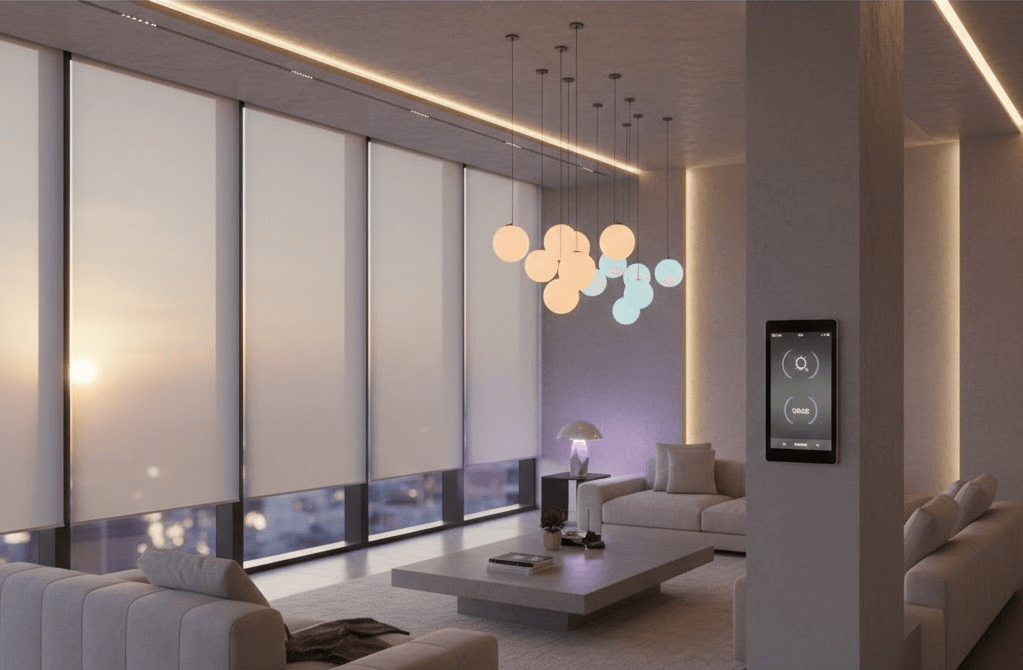
Smart lighting remains a cornerstone of smart homes. In 2026, the focus is less on colour-changing gimmicks and more on comfort, efficiency and control.
Key priorities include:
- Zoned lighting
- Scene control
- Daylight-responsive automation
Lighting that adapts naturally throughout the day improves both comfort and efficiency.
Automated Shading and Blinds
Smart shading is gaining importance as homes aim to manage light and heat more effectively.
Benefits include:
- Improved thermal comfort
- Reduced glare
- Better use of natural daylight
- Support for energy efficiency
When integrated with lighting and heating, shading becomes a powerful comfort tool.
Smart Technology for Everyday Comfort
Comfort Over Complexity
In 2026, comfort is a major driver of smart technology adoption. This includes:
- Stable indoor temperatures
- Consistent lighting
- Reduced noise and disruption
- Homes that adapt automatically
Smart technology should make homes feel calmer, not busier.
Supporting Flexible Living
With home working and flexible schedules now normal, smart homes must adapt throughout the day. Technologies that support multiple modes of living are increasingly valuable.
What Homeowners Should Avoid in 2026
Gimmicky Gadgets
Not every smart product delivers lasting value. Gadgets that solve minor problems or rely heavily on novelty are often abandoned.
Over-Complex Automation
Complex automation chains may look impressive but often break or become frustrating. Simple, reliable automation delivers far more value.
Fragmented Ecosystems
Homes filled with incompatible devices create long-term headaches. Prioritising compatibility and integration avoids this trap.
How to Prioritise Smart Technology in the UK
Start with Outcomes, Not Products
The most effective way to prioritise is to focus on outcomes:
- Lower energy bills
- Improved comfort
- Better security
- Simpler daily routines
Technology should support these goals, not distract from them.
Think Long-Term
Smart technology investments should be evaluated over years, not months. Systems that still make sense in 2030 are far more valuable than those tied to short-term trends.
Plan, Don’t Rush
Smart homes work best when planned holistically. Rushed decisions often lead to incompatible systems and wasted money.
The Future of Smart Technology in UK Homes
By 2026, smart technology will be less visible but more impactful. Homes will quietly manage energy, comfort and security without constant user input.
The most successful homes will be those that prioritise:
- Integration over gadgets
- Automation over manual control
- Reliability over novelty
This approach ensures smart technology enhances everyday life rather than complicating it.
Final Thoughts on Smart Technology in 2026
Smart technology in 2026 is about prioritisation, not accumulation. UK homeowners who focus on energy efficiency, integrated control and everyday comfort will see the greatest benefits.
Rather than chasing every new product, the smartest approach is to invest in systems that deliver lasting value and adapt to changing needs. When chosen carefully, Smart Technology in UK homes can reduce costs, improve comfort and future-proof properties for years to come.
The key is not how smart a home looks, but how well it works.