
Meteodata 150 KNX: the KNX weather station built for smarter building control
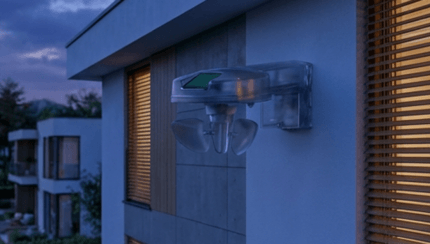
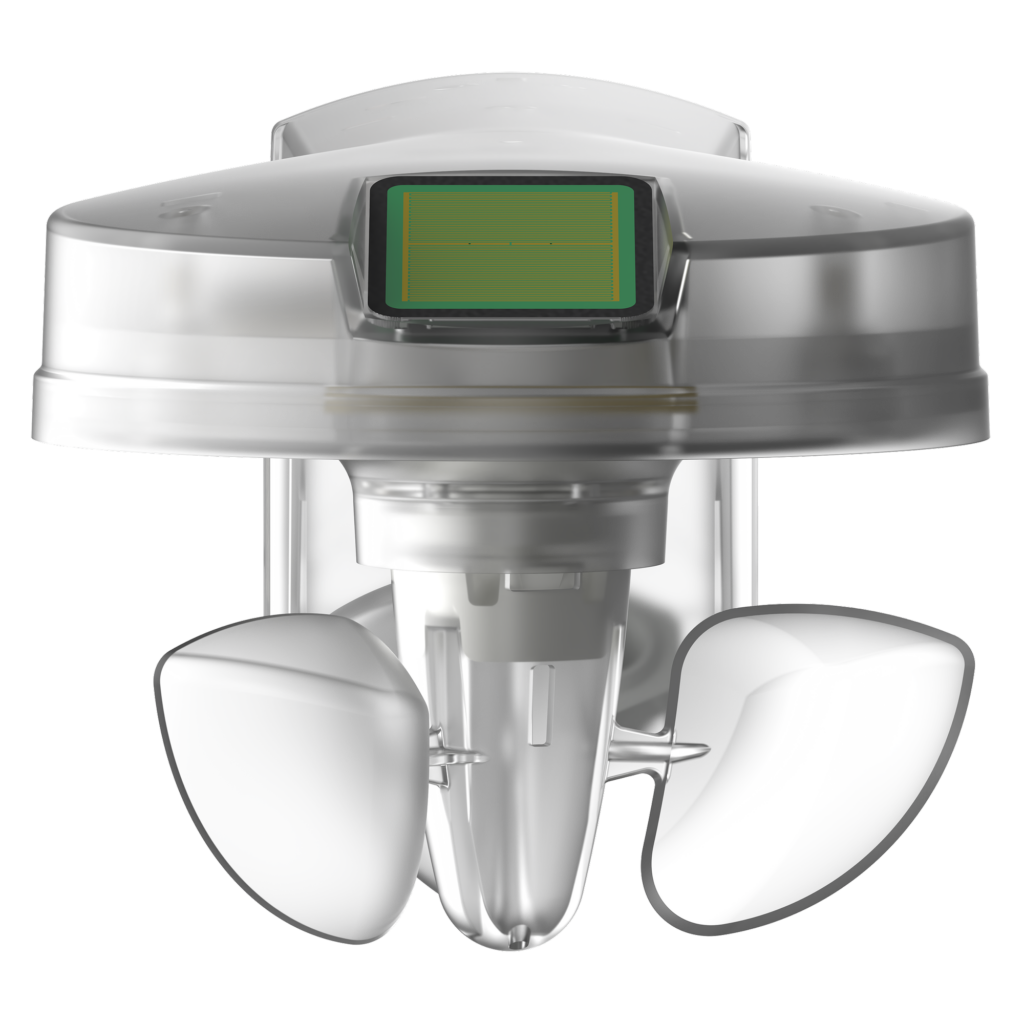
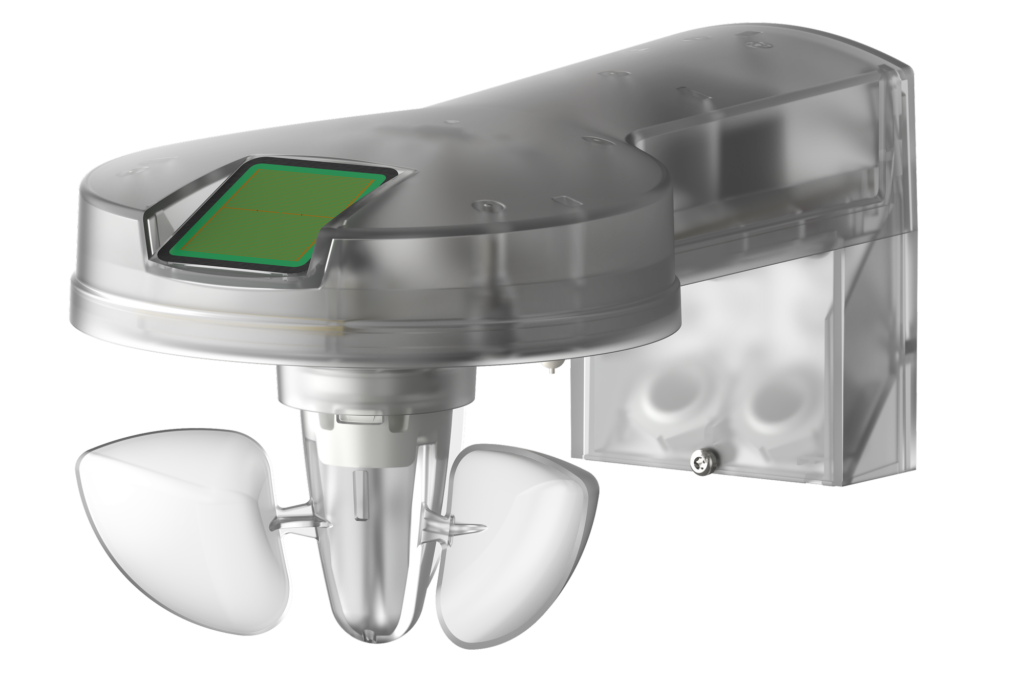
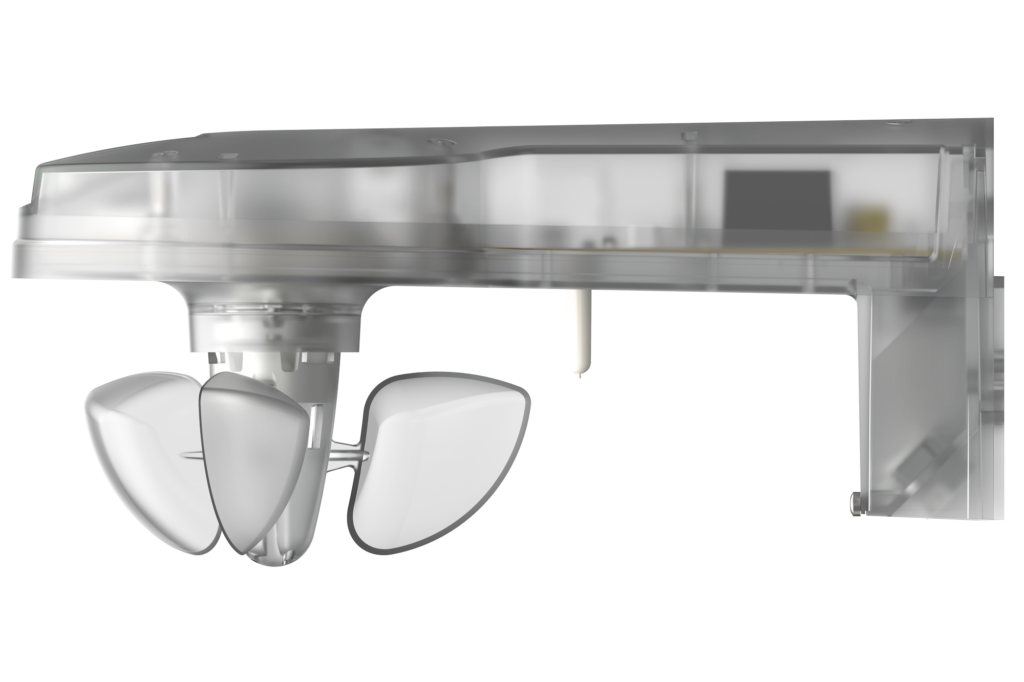
Weather data is only useful when a building knows what to do with it. The new Meteodata 150 KNX weather station gives KNX systems the information they need to respond intelligently to changing conditions. Wind, rain, sunlight, temperature, humidity and other environmental data can all be measured through one device, then used to control shading, ventilation, heating, cooling and other building functions automatically. For installers and integrators, that means fewer components, simpler system design and more control built into the weather station itself.
Turning weather data into useful automation
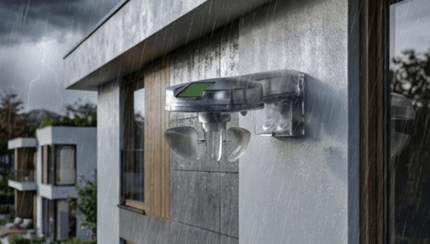
Modern buildings need to do more than react to a single temperature or light level. They need to manage comfort, energy use and protection throughout the day. Blinds may need to track the sun, ventilation may need to respond to temperature, and shading may need to retract when wind speeds become too high. The Meteodata 150 KNX brings the data behind these decisions together in one place.
Depending on the model, it can measure:
- Wind speed
- Rain
- Brightness from four directions
- Outdoor temperature
- Wind chill
- Humidity
- Air pressure
- Global solar radiation
- GPS-based location and time information
This gives the wider KNX system a detailed picture of what is happening outside, so the building can respond more accurately inside.
More intelligent solar shading
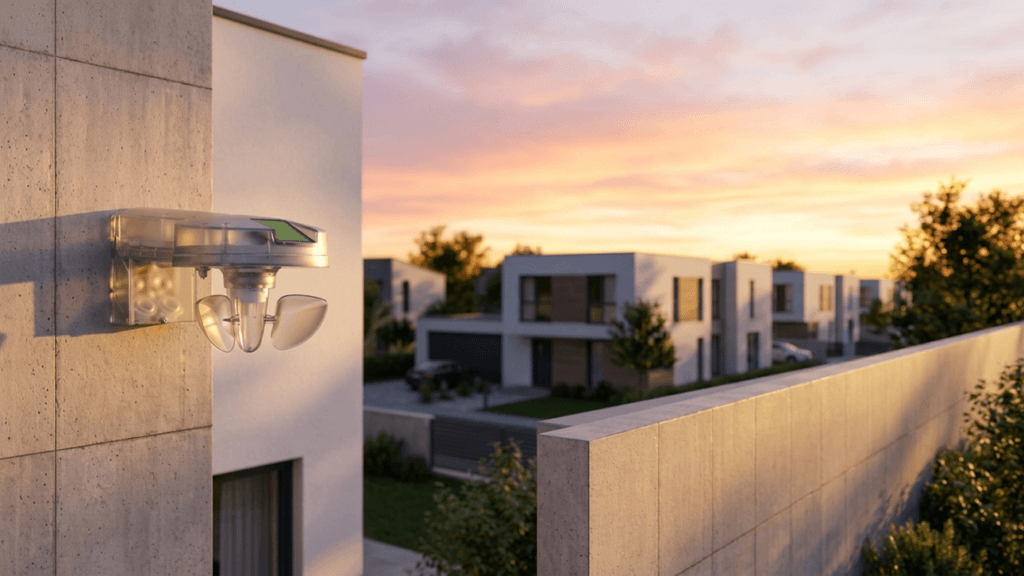
Solar shading is one of the most important applications for a KNX weather station. Used well, it can help manage heat gain, glare, daylight and indoor comfort. The Meteodata 150 KNX supports up to 14 sun protection channels, allowing different façades and areas of a building to respond independently.
Its shading functions include:
- Sun position-based control
- Automatic slat tracking
- Automatic blind height adjustment
- Shadow edge calculation
- Brightness-dependent control
- Temperature-dependent control
- Separate morning and evening twilight settings
This makes it possible to move beyond simple open-and-close commands. Blinds and shutters can follow the sun more precisely, reduce overheating when required and make better use of natural light. In cooler conditions, the system can also allow useful solar gain into the building. The result is a more comfortable indoor environment and less reliance on mechanical cooling.
Control that responds to more than one condition
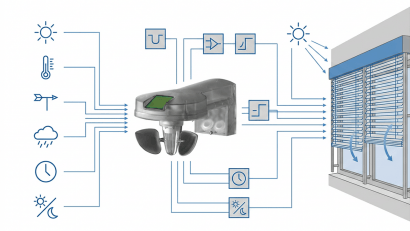
Real buildings rarely operate around a single sensor value. Shading may only need to activate when brightness and temperature both reach a certain level. Ventilation might respond differently depending on time of day, outdoor temperature or wind conditions. The Meteodata 150 KNX includes ten universal channels that can combine information from multiple sensors. Installers can create logic based on different environmental values or use preconfigured channels to evaluate individual sensors. This allows more sophisticated automation to be built directly into the device. It can also reduce the need for additional KNX logic modules, making the overall system simpler to design and commission.
Logic, time and astronomical functions built in
The weather station also includes integrated logic, time and astronomical functions. These can be used to create automations based on:
- Weather conditions
- Sunrise and sunset
- Time schedules
- Defined thresholds
- Multiple sensor values
- Combined logical conditions
This gives integrators greater flexibility when designing control strategies for shading, lighting, ventilation and indoor climate systems. It also keeps more of the functionality within one device, helping to reduce complexity across the installation.
Easier commissioning and fault-finding
A weather station may sit outside, but installers still need clear visibility of what it is doing. The Meteodata 150 KNX includes detailed diagnostics within ETS. Current measured values, firmware information, device status and possible errors can all be viewed through the application. This helps installers confirm that sensors are working correctly, check how the device is responding and identify faults more quickly. For commissioning and ongoing maintenance, that can mean less guesswork and fewer unnecessary site visits.
Designed to stay up to date
Building automation systems need to remain useful long after installation. The Meteodata 150 KNX supports firmware updates, allowing future functions, improvements and optimisations to be added over time. Together with the open KNX standard, this helps protect the original investment and gives the system more flexibility to adapt to changing project requirements.
Secure communication with KNX Data Secure
Security is now an essential part of connected building control. The Meteodata 150 KNX supports KNX Data Secure, helping protect communication between the weather station and other devices in the KNX system. This makes it well suited to residential, commercial and public buildings where secure data exchange forms part of the wider specification.
A practical upgrade from Meteodata 140 KNX
For projects already using the Meteodata 140 KNX, upgrading does not have to mean starting again. The Meteodata 150 KNX has been designed to support straightforward replacement in existing installations. This gives installers a practical route to introduce improved sensing, diagnostics, security and automation functions while retaining the wider KNX infrastructure. That makes it a useful option for refurbishment and system upgrade projects as well as new installations.
One KNX weather station, more possibilities
The Meteodata 150 KNX is more than a collection of outdoor sensors. It gives the KNX system the information and intelligence needed to manage shading, climate and building functions more effectively. For installers and integrators, the key benefits are clear:
- Multiple weather sensors in one device
- Up to 14 solar shading channels
- Ten flexible universal channels
- Integrated logic, time and astronomical functions
- KNX Data Secure
- ETS diagnostics
- Firmware update capability
- Straightforward upgrading from Meteodata 140 KNX
The result is a KNX weather station that helps make buildings more comfortable, more efficient and easier to control, without adding unnecessary complexity. A stronger web version could also include a short installer-focused call to action beneath the article, linking to the product page, technical data or Theben Academy support.