
Walk onto almost any high-end residential or light-commercial project today and you’ll feel the shift. Lighting, shading, heating, ventilation and comfort are no longer separate “features”, they’re expected to work together. The building should respond intelligently because the infrastructure has been designed and commissioned to behave predictably.
For years, integrators have delivered impressive outcomes by combining multiple technologies to meet a brief. That approach still has its place. But more specifiers, developers and homeowners are now prioritising clarity, maintainability and long-term stability. As that expectation grows, open standards matter more, not as a trend, but as a practical way to keep systems flexible and serviceable over a building’s lifetime.
The challenge is that demand is rising faster than capability. The technology is ready, but the number of professionals who can design, commission and maintain open-protocol systems confidently and consistently isn’t growing quickly enough.
That skills gap is becoming one of the biggest constraints on the next stage of growth in our sector.
Why open standards are gaining ground
The shift didn’t happen overnight. It came from real project pressures: interiors that can’t be compromised, tenders that demand longevity, frustration with cloud dependency, and a desire for interface choice rather than being tied to one ecosystem.
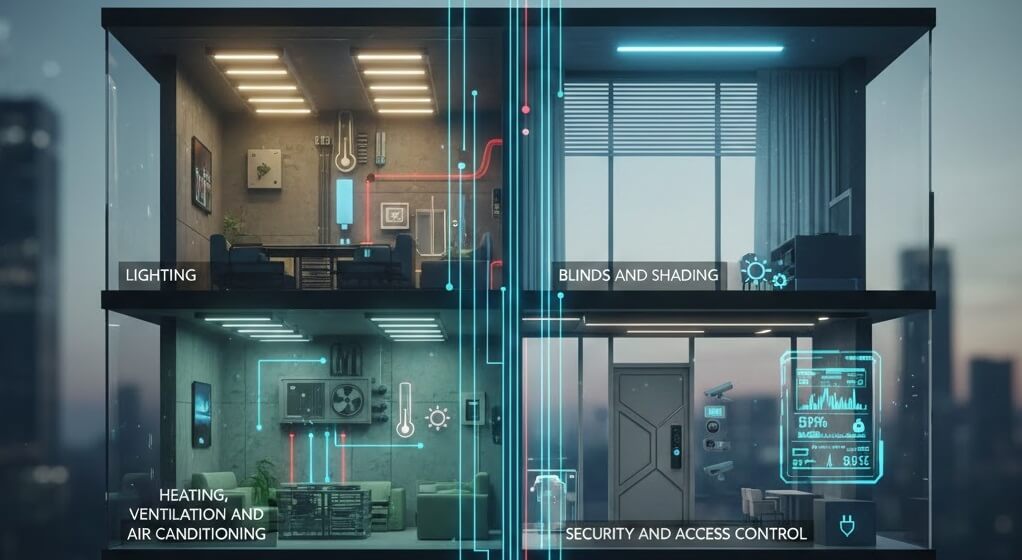
Open-protocol systems – and in particular KNX – fit these requirements well. KNX has matured into a widely adopted standard with a strong multi-manufacturer ecosystem. For project teams, it provides a structured way to coordinate lighting, HVAC, shading and room control.
This isn’t about KNX “replacing” other approaches. It’s about KNX continuing to earn its place where long-term flexibility and interoperability matter.
Buildings last decades. Product cycles don’t
A building is expected to last a long time. The client needs change. Rooms get repurposed. Occupancy patterns evolve. And the control infrastructure needs to keep up.
When a system is tightly tied to one roadmap, availability decisions and platform changes can ripple through the building over time. Open protocols help reduce that risk. With KNX, the underlying architecture can remain stable while devices evolve, making it easier to maintain, extend and upgrade without starting again.
That’s one of the clearest distinctions between engineered automation and short-cycle consumer tech: buildings deserve systems designed for their lifespan, not the lifespan of an app.
KNX is only as strong as the people delivering it
Ask experienced KNX professionals what changes once you “get” the system and you’ll hear similar answers: projects become calmer. The structure makes sense. Good habits in ETS, documentation and commissioning create reliable outcomes.
But confidence takes training and repetition. As KNX demand increases across residential and commercial projects, many project teams still struggle to find enough trained resource, particularly on larger schemes or programmes with tight handover requirements.
For integrators, this creates a clear development pathway: invest in capability, build repeatable standards, and strengthen confidence in both design and commissioning.
Theben’s role: supporting KNX capability in the UK
At Theben, our commitment to open standards is long-standing. In the UK, we also recognise a practical need beyond products: the market benefits when there are more competent KNX professionals designing, installing, commissioning and maintaining systems to a consistently high standard.
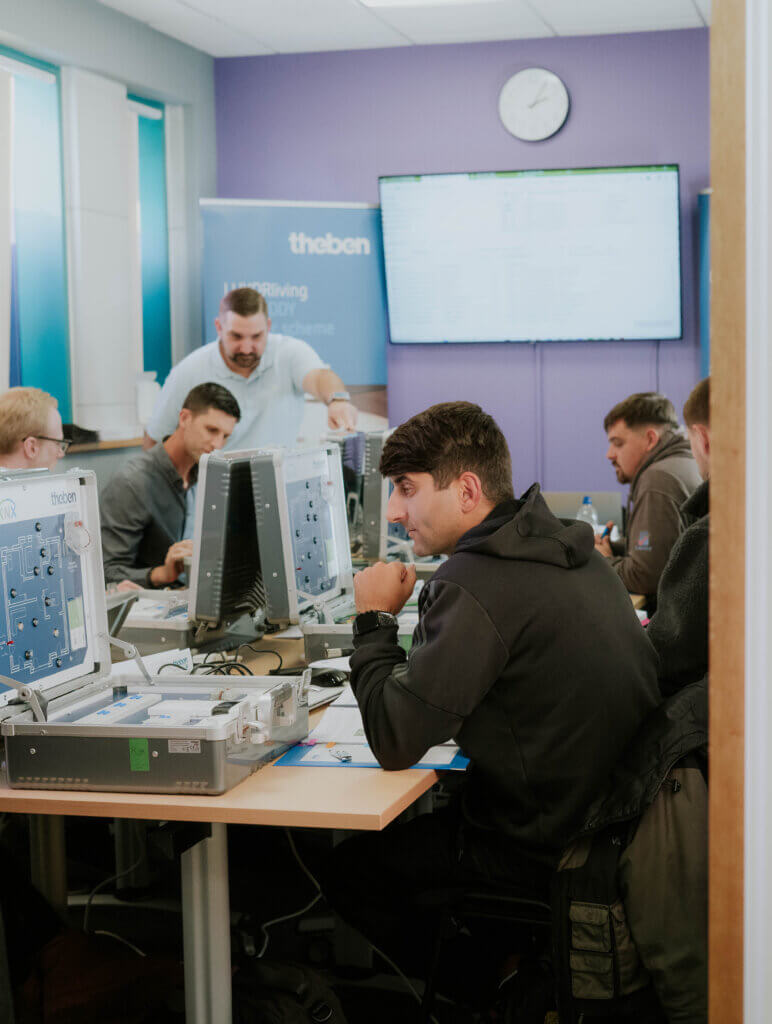
That is why Theben Academy exists – to support learning, confidence and hands-on skill development for those working with KNX. From the outset, the message was clear: people wanted real hardware, realistic fault scenarios, and practical commissioning habits they could apply immediately on live projects.

Design is now part of the control conversation
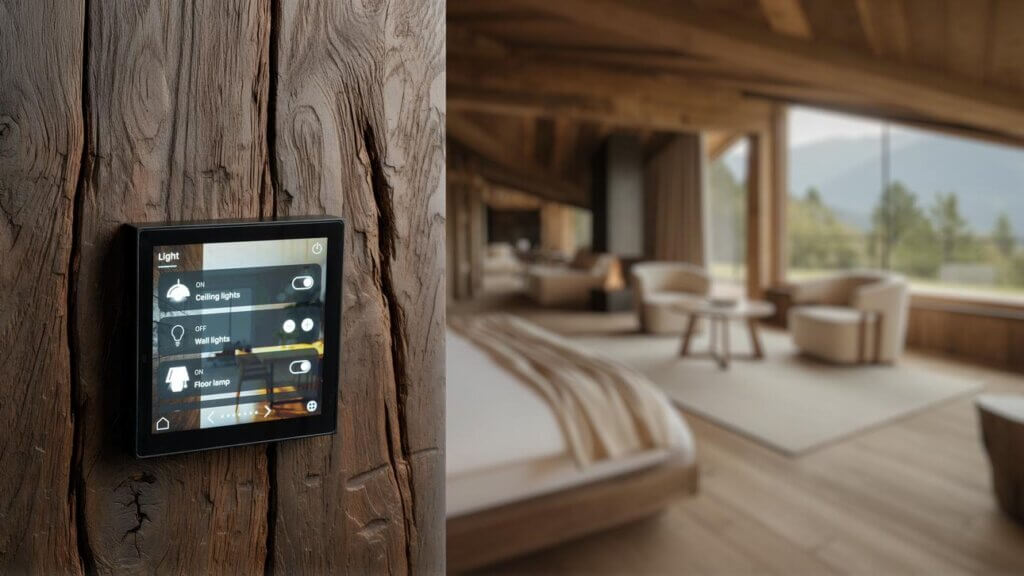
Architects and interior designers are increasingly active in control specification. They care about materials, visual language, interface consistency and spatial harmony. Open standards support this shift because they help keep choice on the table, allowing design intent and user experience to lead without forcing a single aesthetic or roadmap.
As a featured contributor, we can share examples from our own KNX room controllers range, but the wider point is bigger than any one product: open standards help teams combine engineering performance with design flexibility.
What’s next?
Toward 2030, building projects will demand more coordinated control – driven by energy strategy, wellbeing, electrification and changing occupancy. The professionals who can design, commission and maintain open-protocol infrastructures will be central to delivering those outcomes.
If you’re an integrator, designer or specifier looking to strengthen capability in open standards, building your KNX knowledge is a strong step.
Learn more about Theben Academy and browse upcoming KNX training and CPD opportunities at theben.co.uk.