
Heating and cooling are among the largest ongoing costs in UK buildings. Whether it’s a family home, a block of flats, or a mixed-use property, keeping indoor spaces comfortable throughout the year consumes a significant amount of energy. Traditional systems rely heavily on manual thermostats, fixed schedules, and guesswork, which often leads to inefficiency, wasted energy, and inconsistent comfort.
Climate control automation offers a smarter alternative. By using intelligent systems that respond to real-world conditions, automated heating and cooling can reduce energy waste while improving comfort. For homeowners and property decision-makers looking into Control Automation in UK buildings, climate control is one of the most impactful and future-proof upgrades available.
This article explains what climate control automation is, how it works, and why it matters for modern buildings. It explores the benefits, limitations, and best practices for implementation, helping you decide whether smarter heating and cooling is right for your property.
Understanding Climate Control Automation
Climate control automation refers to the automatic management of heating, cooling, and ventilation systems using sensors, controllers, and intelligent software. Instead of relying on a single thermostat or static schedule, automated systems continuously adjust based on real conditions.
These conditions can include: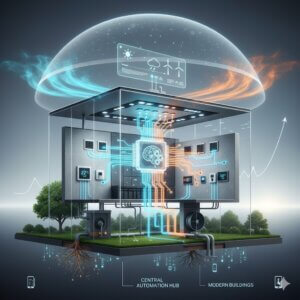
- Indoor and outdoor temperature
- Time of day
- Occupancy and room usage
- Weather forecasts
- Energy demand and efficiency targets
The goal is simple: maintain comfortable indoor conditions using the least amount of energy possible.
Rather than reacting after a space becomes too hot or too cold, automated systems anticipate changes and respond proactively. This shift from reactive to predictive control is what sets climate control automation apart from traditional heating and cooling.
The 5 W’s of Climate Control Automation
Who Benefits from Climate Control Automation?
Climate control automation is relevant to a wide range of UK properties and occupants, including:
- Homeowners struggling with rising heating bills
- Families wanting consistent temperatures across the home
- Landlords improving energy performance and tenant comfort
- Property managers overseeing multiple units
- Owners of renovated or modern buildings
Anyone responsible for heating or cooling costs can benefit from smarter control.
What Is Climate Control Automation?
Climate control automation is the use of intelligent systems to manage indoor temperature automatically. These systems can control:
- Boilers and radiators
- Heat pumps
- Underfloor heating
- Air conditioning systems
- Mechanical ventilation
Rather than one setting for an entire building, automation allows each space to be controlled independently and intelligently.
Where Is Climate Control Automation Used?
Climate control automation is now used in:
- Residential homes
- Apartment buildings
- Mixed-use developments
- Renovated period properties
- New-build homes
Advances in technology mean it can be installed in both new and existing buildings with minimal disruption.
Why Does Climate Control Automation Matter?
Heating and cooling account for a large proportion of energy use in UK buildings. Inefficient control leads to wasted energy, higher bills, and unnecessary carbon emissions.
Climate control automation addresses these issues by optimising system performance. It reduces waste while maintaining or improving comfort, making it one of the most effective ways to respond to rising energy costs and environmental pressures.
When Should Climate Control Automation Be Installed?
The best times to install climate control automation include:
- During renovations or extensions
- When upgrading heating or cooling systems
- As part of energy-efficiency improvements
- During new-build projects
That said, many systems can also be retrofitted into existing buildings.
Traditional Heating Control vs Climate Control Automation
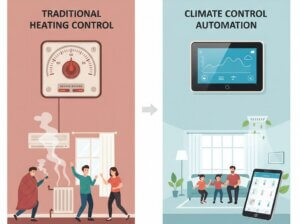
Traditional heating control relies on fixed schedules and manual adjustments. A thermostat is set to a single temperature, often for the entire building, regardless of how spaces are actually used.
This approach assumes predictable routines, which rarely reflect reality. Rooms are often heated when empty, while occupied spaces may be under-heated or over-heated.
Climate control automation introduces flexibility and intelligence. Systems adapt dynamically, responding to occupancy, weather changes, and daily patterns. This results in better comfort and lower energy use.
The Benefits of Climate Control Automation
Reduced Energy Bills
One of the most compelling benefits is reduced energy consumption. By avoiding unnecessary heating and cooling, automated systems cut waste and lower monthly bills.
Savings come from: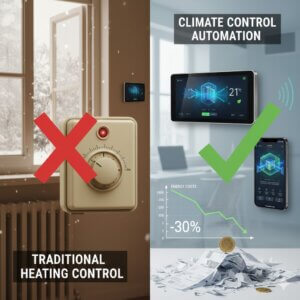
- Preventing overheating and overcooling
- Reducing system run time
- Optimising performance of boilers and heat pumps
Over time, these savings can be substantial.
Improved Comfort
Climate control automation delivers more consistent indoor temperatures. Instead of large fluctuations, rooms remain within a comfortable range.
Zoned control ensures different areas can be heated or cooled according to their use, improving comfort for everyone in the building.
Less Manual Intervention
Automated systems reduce the need for constant adjustment. Once configured, they operate quietly in the background, adapting automatically as conditions change.
This “set and forget” approach is particularly appealing to busy households.
Better Performance of Modern Heating Systems
Modern heating technologies, such as heat pumps, perform best when managed intelligently. Climate control automation ensures these systems run efficiently, improving comfort and extending equipment lifespan.
Support for Sustainability Goals
Reducing energy consumption directly reduces carbon emissions. Climate control automation supports broader sustainability and net-zero goals without requiring major lifestyle changes.
Potential Drawbacks and Limitations
Upfront Costs
Climate control automation typically costs more upfront than basic thermostats. The investment includes hardware, design, and installation.
However, these costs are often offset by long-term energy savings.
Poor Design Can Limit Benefits
Automation only works well when systems are properly designed. Poor zoning, incorrect sensor placement, or unrealistic settings can reduce effectiveness.
Professional planning helps avoid these issues.
Learning Curve for Some Users
Although modern systems prioritise simplicity, some users may need time to understand how automation works. Clear interfaces and good onboarding reduce this challenge.
Compatibility with Older Systems
Some older heating systems may require upgrades to work effectively with automation. This should be assessed early in the planning process.
How Climate Control Automation Reduces Energy Waste
Eliminating Overheating and Overcooling
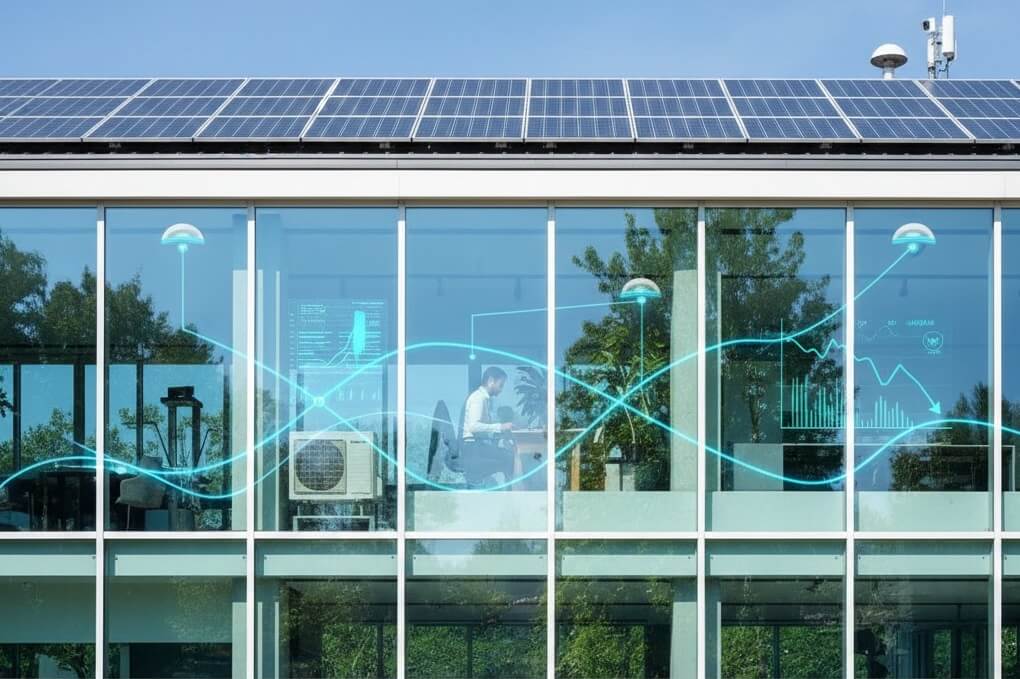
One of the biggest sources of wasted energy is heating or cooling spaces beyond what is needed. Automation prevents this by maintaining tighter temperature control.
Rooms are not heated when empty, and cooling is reduced when external temperatures are mild.
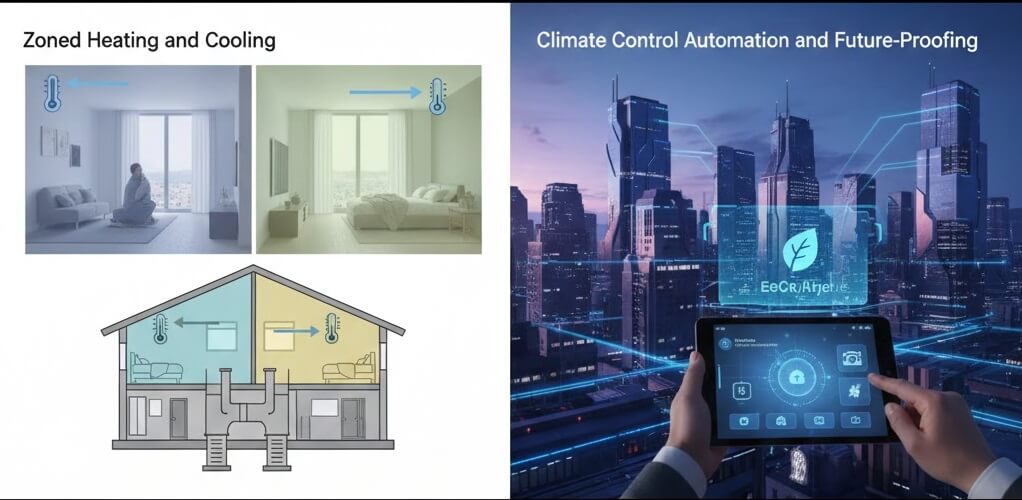
Zoned Heating and Cooling
Zoning allows different areas of a building to be controlled independently. This means:
- Living areas can be heated during the day
- Bedrooms can remain cooler until evening
- Rarely used rooms receive minimal heating
Zoning is one of the most effective ways to reduce energy use.
Occupancy-Based Control
Occupancy sensors allow systems to respond to whether spaces are actually in use. Heating and cooling can be reduced automatically when rooms are empty and restored when occupied.
This is especially useful in buildings with irregular usage patterns.
Weather-Responsive Control
Advanced systems can respond to outdoor temperature, solar gain, and weather forecasts. By anticipating changes, they avoid unnecessary heating or cooling.
Climate Control Automation in UK Buildings
Why It Is Particularly Relevant in the UK
UK buildings face unique challenges:
- Variable and unpredictable weather
- Older housing stock with mixed insulation quality
- High energy prices
- Increasing pressure to reduce emissions
Climate control automation addresses these challenges by improving control rather than relying solely on insulation upgrades.
Supporting the Transition to Low-Carbon Heating
As the UK moves away from gas boilers towards heat pumps and other low-carbon solutions, intelligent control becomes essential.
Heat pumps operate most efficiently at lower, steady temperatures. Automation ensures they are used correctly, improving comfort and reducing costs.
Preparing for Future Regulations
Energy efficiency standards are becoming stricter. Buildings with intelligent climate control are better prepared for future requirements and market expectations.
Key Components of Climate Control Automation
Smart Thermostats and User Interfaces
Smart thermostats act as the main interface for users. Modern designs focus on clarity and ease of use rather than technical complexity.
Users can view temperatures, adjust settings, and select modes without needing technical knowledge.
Sensors and Data Inputs
Sensors collect data on temperature, humidity, and occupancy. This data allows systems to make informed decisions and respond accurately.
Reliable data is essential for effective automation.
Controllers and System Logic
The controller processes sensor data and determines how heating and cooling systems should respond. This central logic ensures consistent behaviour across the building.
Integration with Heating and Cooling Equipment
Effective automation requires seamless integration with boilers, heat pumps, underfloor heating, and cooling systems. Proper integration avoids conflicts and inefficiencies.
Best Practices for Implementing Climate Control Automation
Start with How the Building Is Used
The most successful systems are designed around real usage patterns. Understanding when rooms are occupied, how people move through the building, and comfort preferences is essential.
Keep User Interaction Simple
While the system may be complex behind the scenes, user interaction should be straightforward. Clear controls and minimal required input improve satisfaction.
Avoid Over-Automation
More automation is not always better. Systems should support comfort and efficiency without creating unpredictable behaviour.
Use Professional Design and Installation
Professional planning ensures systems are correctly specified, configured, and optimised. This significantly improves performance and longevity.
Common Mistakes to Avoid
Some of the most common mistakes include:
- Using one temperature setting for the entire building
- Ignoring occupancy patterns
- Over-complicating user controls
- Failing to review and fine-tune settings after installation
Avoiding these mistakes is key to achieving real benefits.
Comfort Benefits Beyond Energy Savings
Stable Indoor Temperatures
Automation reduces temperature swings, creating a more stable and pleasant indoor environment.
Improved Air Quality
Many systems integrate ventilation control, improving air quality by managing airflow based on occupancy and conditions.
Reduced Noise and Wear
Optimised system operation reduces cycling and wear on equipment, leading to quieter operation and longer lifespan.
Climate Control Automation and Future-Proofing
Adapting to Changing Energy Systems
As energy systems evolve, buildings with intelligent control will adapt more easily. Automation provides flexibility that manual systems cannot.
Increasing Property Value
Homes with efficient, automated climate control are more attractive to buyers. They signal lower running costs and modern design.
Supporting Changing Lifestyles
Automated systems adapt as household routines change, making them a long-term investment rather than a fixed solution.
Is Climate Control Automation Right for Your Building?
Climate control automation is particularly well suited to:
- Homes with high heating or cooling costs
- Buildings with multiple rooms or zones
- Properties undergoing renovation
- Homes adopting low-carbon heating
- Owners seeking long-term efficiency
While not every building needs full automation, most can benefit from smarter control.
Final Thoughts on Climate Control Automation
Climate control automation represents a major step forward in how buildings manage heating and cooling. By responding intelligently to real-world conditions, these systems reduce energy waste, improve comfort, and support sustainability goals.
For homeowners and property decision-makers exploring Control Automation in UK buildings, climate control is one of the most practical and impactful investments available. When designed and installed correctly, automated heating and cooling delivers lasting value with minimal ongoing effort.
As energy costs rise and efficiency expectations increase, climate control automation is no longer a luxury. It is a smart, future-focused solution for modern buildings.